Utilizing bloodless Coblation technology and precision microsurgery
to treat pediatric airway issues, voice disorders, and neck masses.
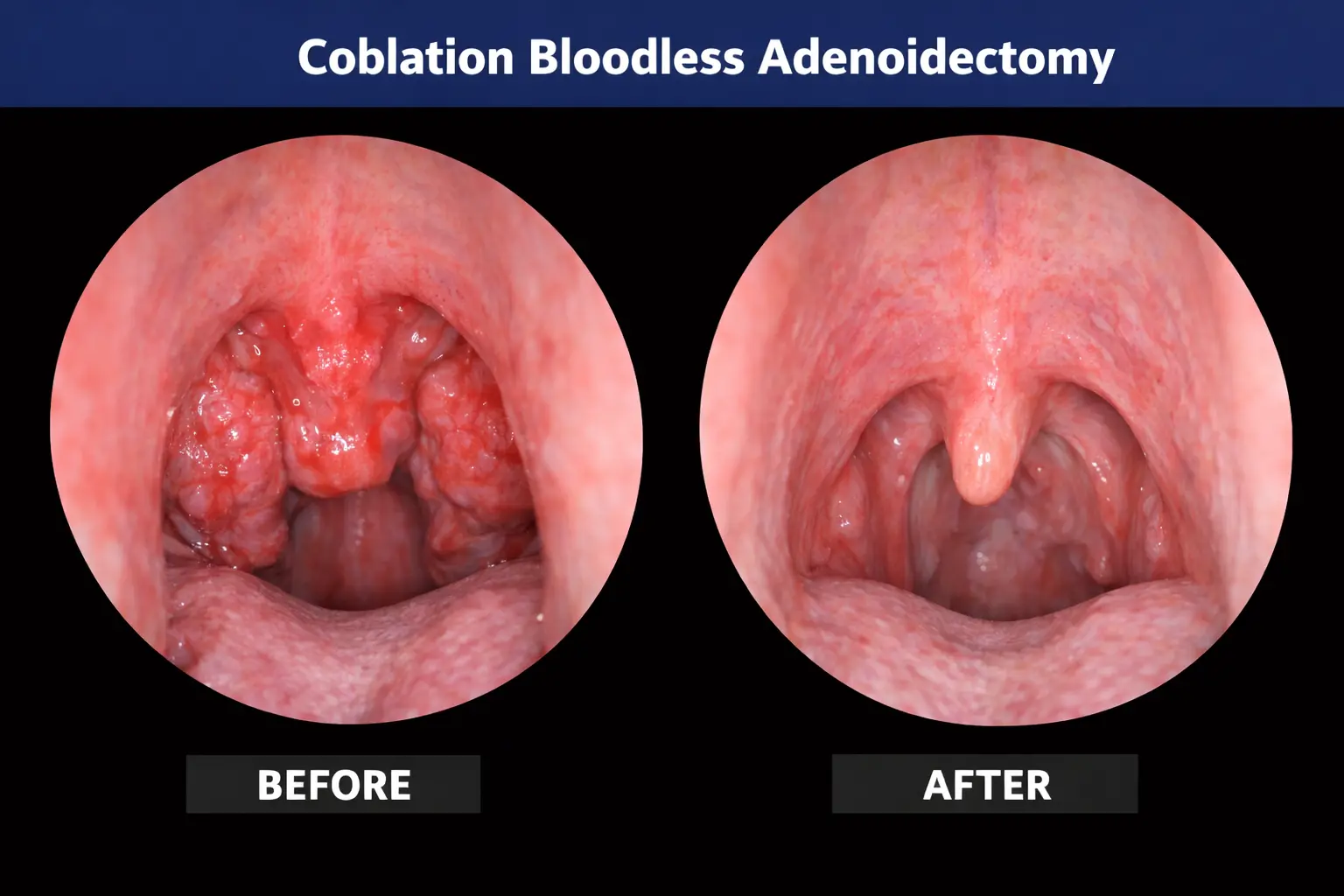
Clinical Indication: Chronic mouth breathing, frequent ear infections, and obstructive sleep apnea in children caused by enlarged adenoid tissue.
The Technology: Coblation (Controlled Ablation) is a non-heat-driven process that uses radiofrequency energy to dissolve tissue at low temperatures (40°C–70°C). This allows for a bloodless surgical field and preserves the integrity of the surrounding healthy mucosa.
Patient Benefits: Unlike traditional curettage, this method significantly reduces post-operative pain, eliminates the need for nasal packing, and ensures a faster return to a normal diet.
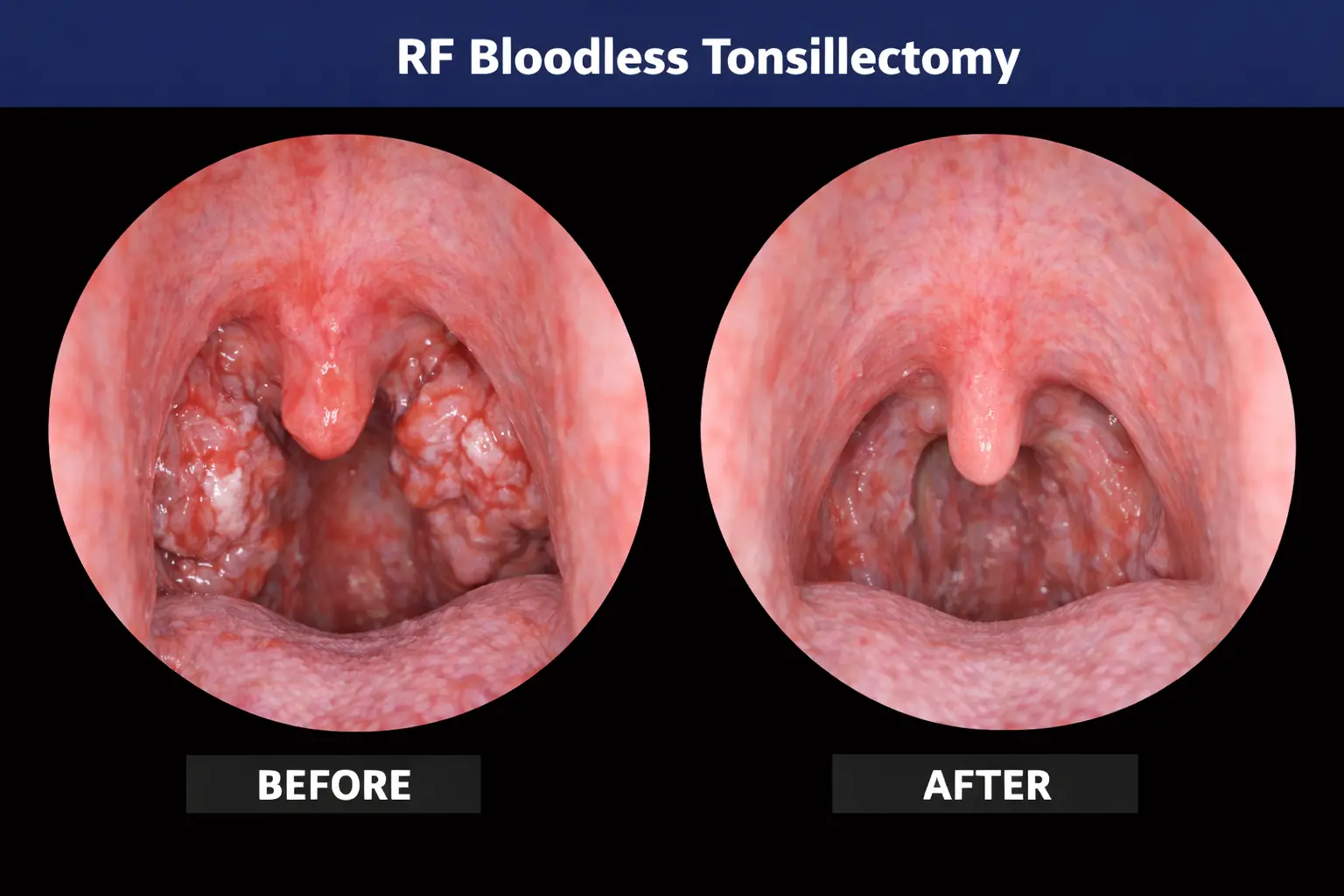
The Challenge: Conventional tonsillectomy often involves significant post-operative pain and the risk of delayed bleeding.
Our Approach: We utilize Radiofrequency (RF) Energy to perform a "hot" dissection that cauterizes blood vessels instantly as the tonsil is removed. This high-precision technique minimizes thermal damage to the throat muscles.
Outcome: A cleaner surgical site with significantly lower rates of post-operative hemorrhage. This is the preferred choice for adult tonsillectomy where recovery is typically more difficult.
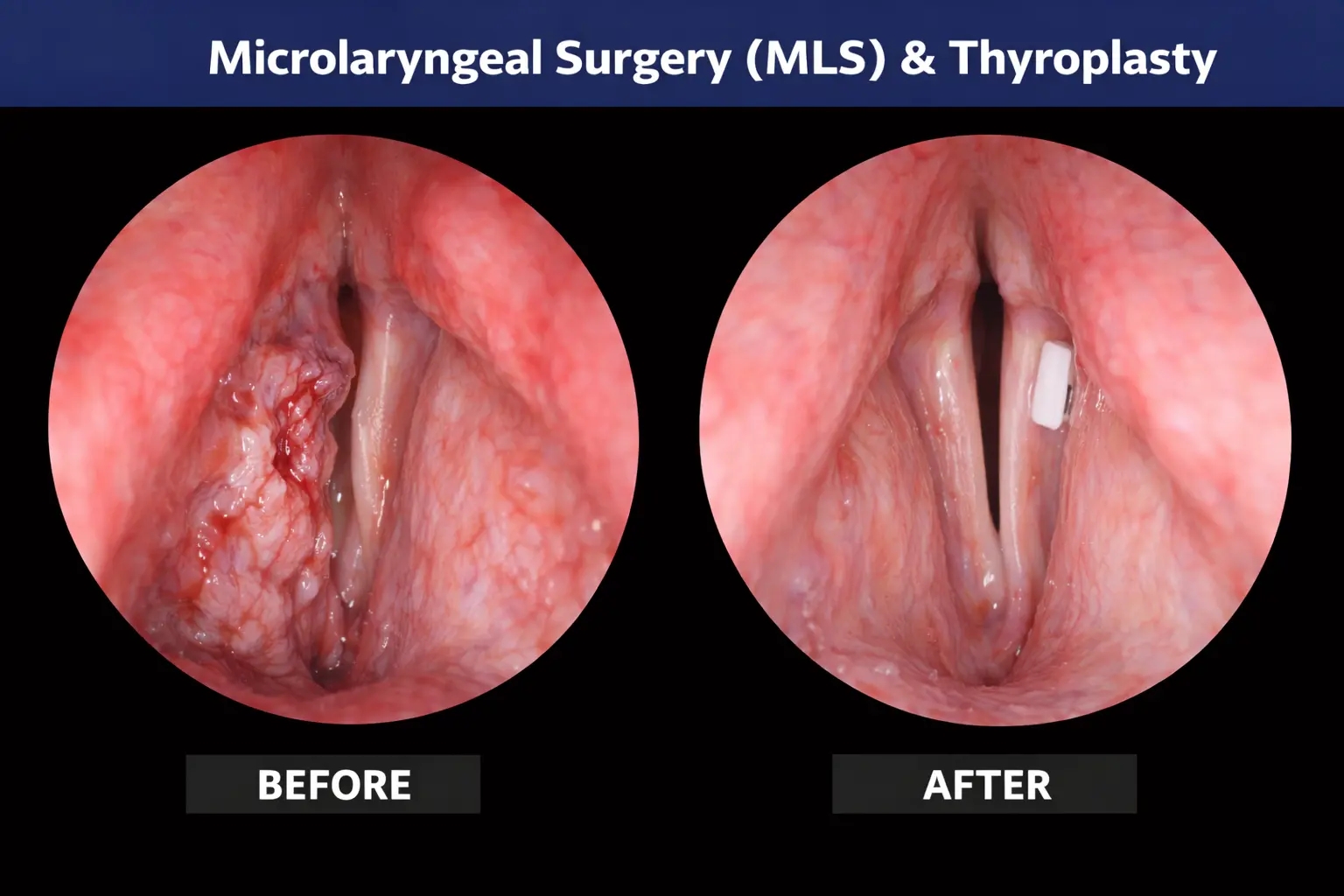
Microlaryngeal Surgery: Used for the microscopic removal of vocal cord lesions like polyps, nodules, or early-stage tumors. We focus on preserving the "mucosal wave" to ensure natural voice quality.
Thyroplasty: A structural procedure to correct vocal cord paralysis. By placing an implant to medialize the paralyzed vocal cord, we restore the patient's ability to speak clearly and swallow without choking.
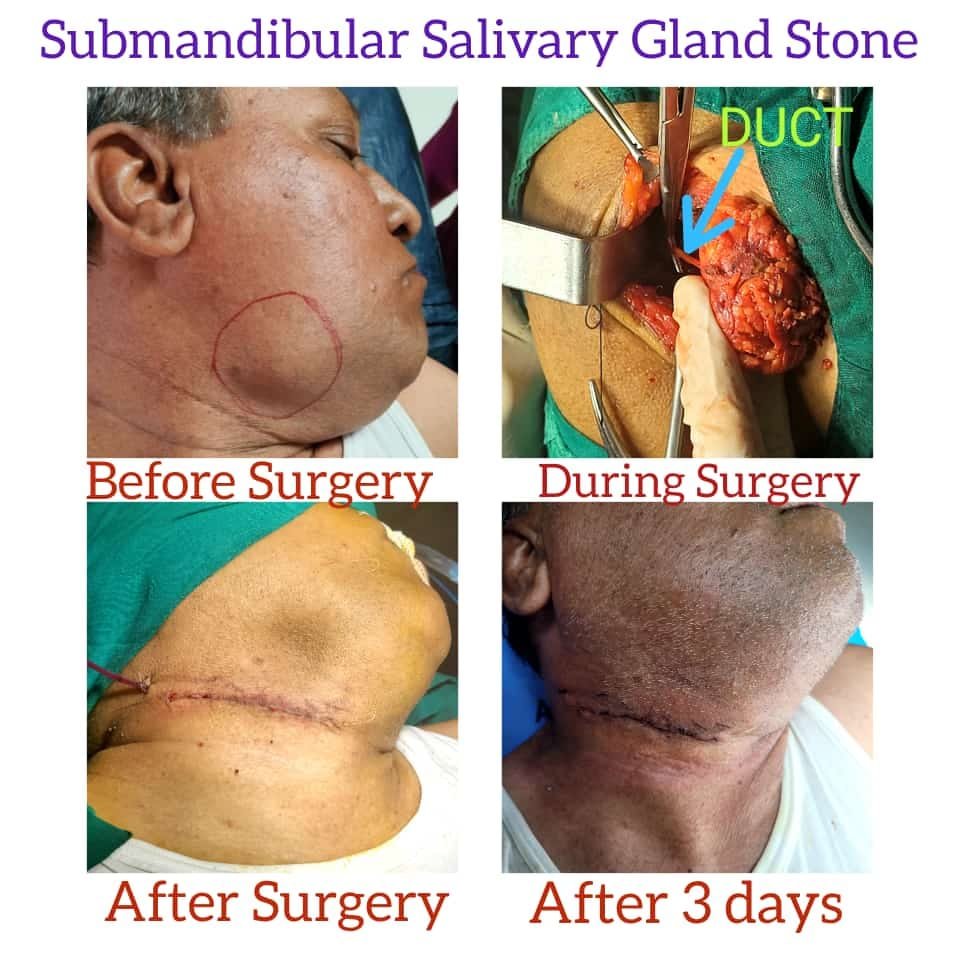
Salivary Gland Surgery: Expert management of tumors or stones in the Parotid, Submandibular, and Sublingual glands. We utilize sialendoscopy where possible to avoid large incisions.
Neck Surgery: Removal of branchial cysts, thyroglossal duct cysts, and neck dissections for thyroid or lymph node pathologies. Our focus is on the aesthetic closure of incisions and the preservation of vital nerves.
Specialized facial nerve monitoring is used for all Parotid surgeries to prevent facial paralysis.
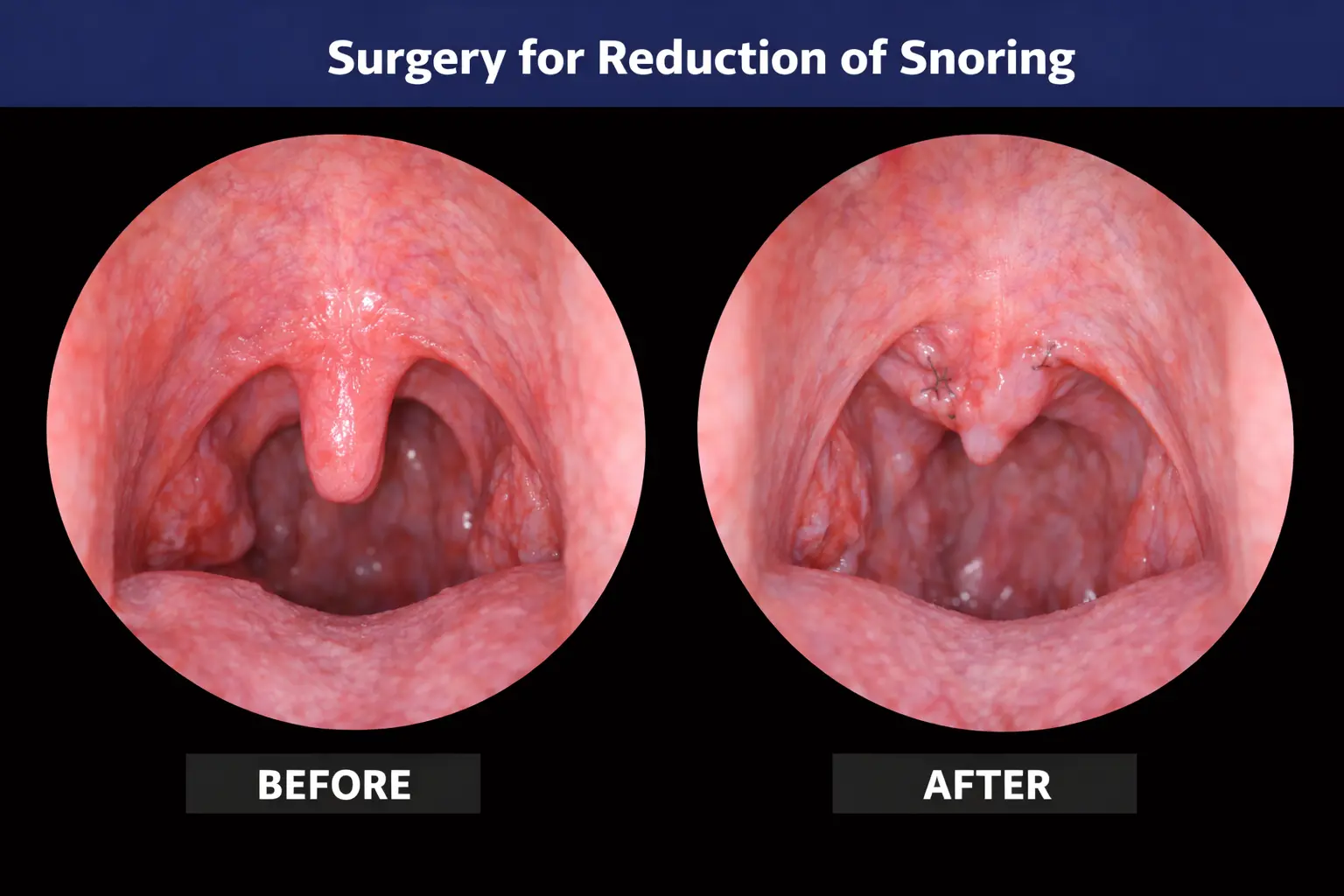
The Condition: Habitual snoring is often more than a nuisance; it can indicate Obstructive Sleep Apnea (OSA), leading to daytime fatigue and cardiovascular stress.
The Procedure: We perform Uvulopalatopharyngoplasty (UPPP) or RF-assisted palatal stiffening. These procedures reshape the soft palate and remove excess throat tissue to keep the airway open during sleep.
The Goal: To improve airflow dynamics, stop the vibration of soft tissues, and ensure silent, restful sleep for the patient and their partner.
Increases oxygen saturation levels throughout the night.